
My Services
Serving Hot Springs, Little Rock, Conway, Benton, Bryant, Sheridan Arkansas and surrounding areas!
Residential Home Inspections
✳︎
Manufactured Home Inspections
✳︎
New Construction Inspections
✳︎
Dock Inspections
✳︎
Residential Home Inspections ✳︎ Manufactured Home Inspections ✳︎ New Construction Inspections ✳︎ Dock Inspections ✳︎

Residential Home Inspections
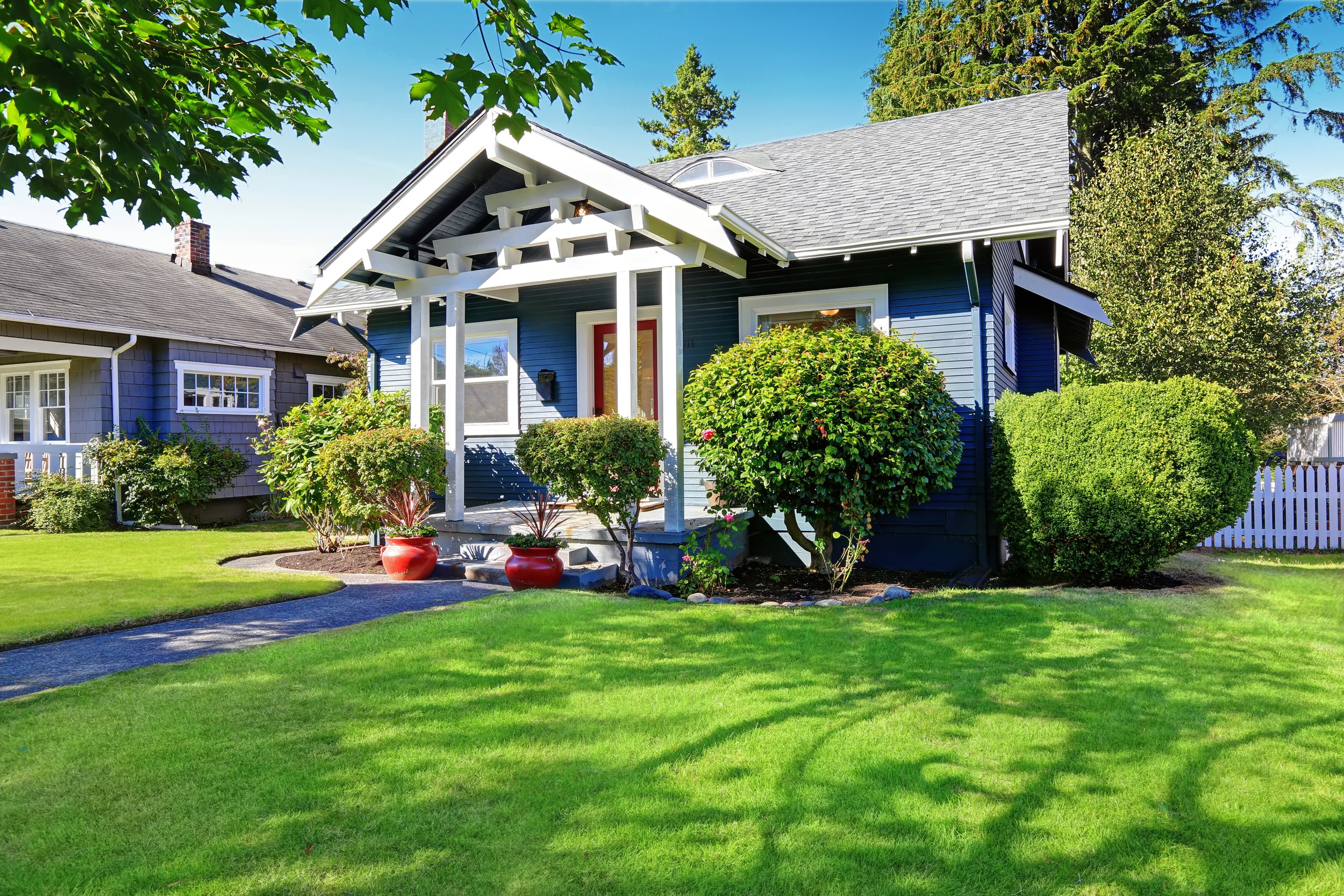
During your inspection in Hot Springs, the inspector walks through the home with a checklist that includes the roof, attic, foundation, crawl space, electrical panel, plumbing fixtures, HVAC system, windows, doors, and interior finishes. The visit typically takes two to three hours depending on the size and age of the home. You're welcome to attend and ask questions as each area is reviewed.
After the inspection, you receive a report that identifies defects, safety hazards, and systems that may need repair or replacement in the near future. The report includes labeled photos so you can see exactly what was found and where it's located. This documentation helps you discuss repairs with the seller or plan for upcoming maintenance costs.
The inspection does not include invasive testing, destructive evaluation, or systems that are inaccessible without removing building materials. It focuses on what can be seen, operated, and documented during a visual walkthrough. The findings are meant to inform your purchase decision, not to serve as a guarantee or warranty of future performance.

Manufactured Home Inspections
During the inspection in Hot Springs, the focus includes tie-down straps and anchors that secure the home to the ground, foundation piers that support the frame, and the condition of the chassis and undercarriage. The inspector also checks the roof for leaks or damage, evaluates skirting and ventilation around the perimeter, and inspects utilities where they enter the home. This takes about two hours depending on the size and configuration of the structure.
After the inspection, you receive documentation of any defects, missing components, or installation errors that could affect safety or longevity. The report includes photos of tie-downs, foundation supports, and visible damage so you understand what needs attention. This information is especially useful if you're buying a home that was relocated or if the installation was done years ago without recent maintenance.
The inspection does not include invasive testing or removal of skirting panels to access concealed areas. It focuses on what can be seen and evaluated during a visual review. The findings help you make decisions about repairs, negotiations, or future upkeep.
New Construction Inspections
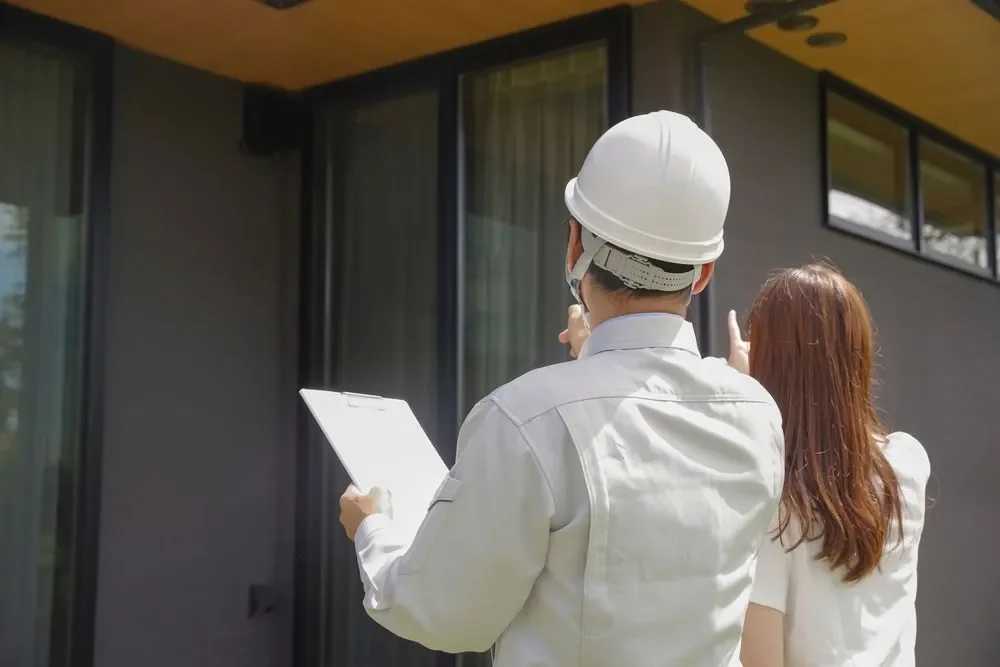
During the inspection in Hot Springs, the focus is on construction quality, not just whether systems are functional. The inspector looks for missed fasteners, improper flashing, uneven framing, incorrect wiring, poorly installed insulation, and gaps in exterior finishes. Pre-drywall inspections allow access to framing and rough plumbing that will be concealed later. Final inspections check finished surfaces, trim work, appliance installation, and exterior grading.
After the inspection, you receive a report with photos and descriptions of any defects or code-related concerns. This documentation gives you leverage to request corrections from the builder before closing. Once you move in and the warranty clock starts, some issues become harder to address or may not be covered.
The inspection does not replace municipal code inspections, and it does not evaluate buried utilities, concealed systems, or work that hasn't been completed yet. It focuses on what is visible and accessible at the time of the visit.

Dock Inspections
During the inspection in Hot Springs, the focus is on structural stability, material condition, and visible safety hazards. The inspector walks the dock to check for loose boards, cracked framing, rusted bolts, damaged flotation barrels, and unstable connections. Electrical components such as outlets, lights, and wiring conduit are visually inspected for damage or improper installation. The inspection typically takes about an hour depending on the size and complexity of the dock.
After the inspection, you receive documentation of any rot, corrosion, instability, or safety concerns that need attention. The report includes photos so you can see where problems are located and what repairs might be required. This is helpful when negotiating a purchase or planning maintenance before summer.
The inspection does not include underwater evaluation, structural load testing, or invasive disassembly of components. It focuses on what is visible from the deck and shoreline. The findings are meant to inform your decision-making, not to serve as an engineering assessment.